
Eco Friendly Shopping Tips to Save Money and the Planet
More and more people in the last couple of years have understood that living an eco-friendly life does not necessarily mean that they have to lose money. With the increase of climate awareness, consumers are looking for ways to make their purchases in line with their values, i.e., not spend more. Buying the cheapest product is no longer sufficient; the dollars of today's wise consumers should be in harmony with the planet and their long-term financial goals. This change has led to the emergence of a movement focused on adopting greener buying habits that are both economically viable and environmentally sustainable.
This article is packed with eco-friendly shopping tips that are practical and economical, budget-friendly strategies for green shopping, and money-saving ideas through eco-friendly habits in everyday life. If you are green and just starting, or you are trying to optimize your current lifestyle, these ideas will support you in making smarter purchases that benefit your bank account—and the earth.
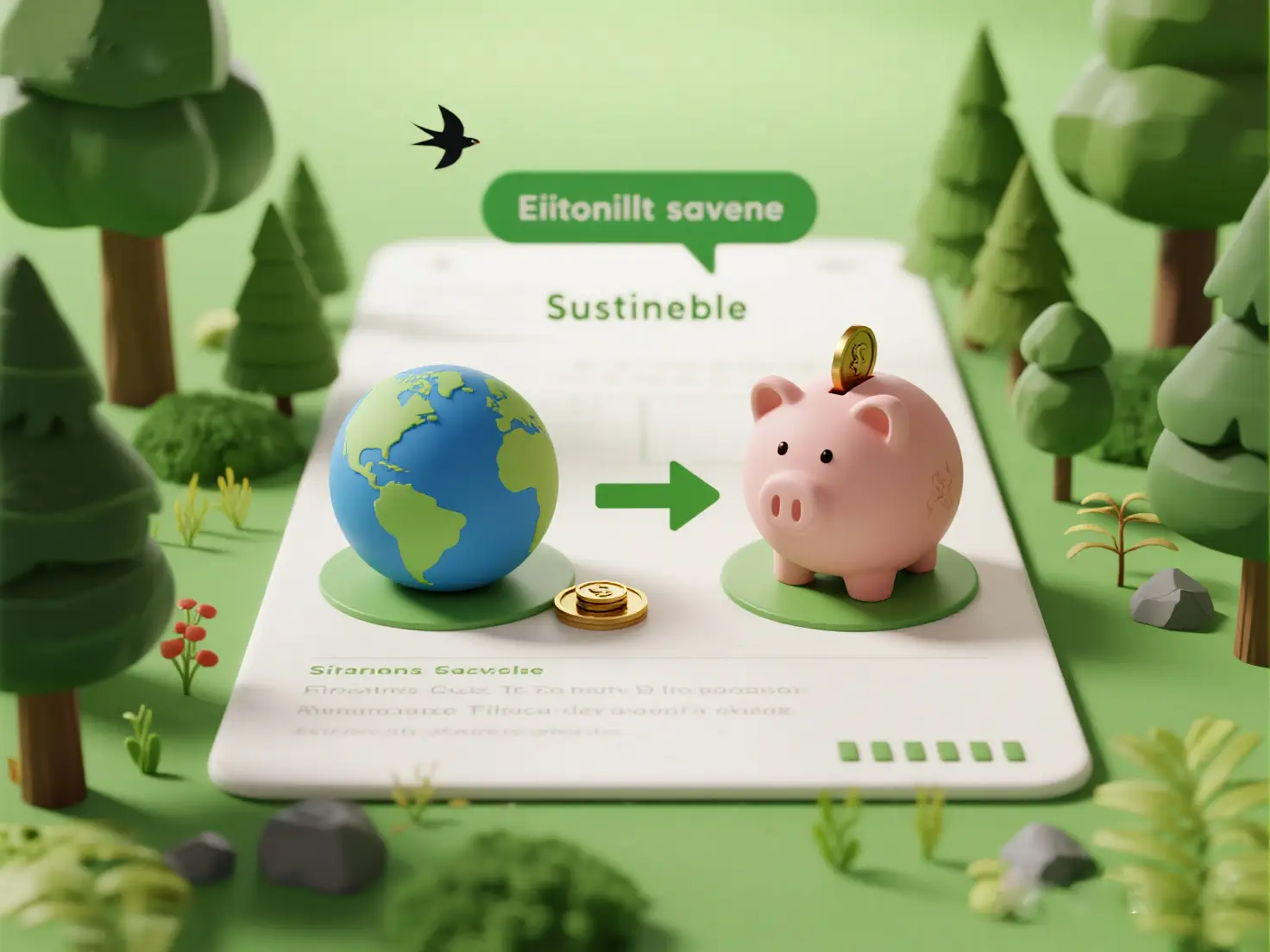
Reasons Why Eco-Friendly Shopping Is Not Costly
The Benefits In Terms of Money and Nature
Many people think that choosing eco-friendly means paying more. But it is not always like that. If done properly, green shopping can eventually lead to saving money. By such means:
- Reduced Consumption – When you buy less but better, you in most cases end up reducing the total number of things that you buy. As a result, it means less replacements and lower overall spending.
- Durable, Quality Products – Eco-friendly brands usually put their focus on longevity. A good reusable product can be your companion for years and thus, the cost per use will be less than that of disposable products.
- Resource Savings – The use of energy- or water-saving products (like energy-saving lamps or low-flow showerheads) brings savings on utility bills in the long run.
- Resale & Reuse Markets – The possibilities of buying from secondhand shops, upcycling, and resale platforms that are planned and developed to meet sustainable markets, can be a budget eco-friendly shopping option for you which is much cheaper than buying new.
Eco-conscious shoppers combining smart financial decisions with environmental choices can have both economic and ecological benefits.
Transforming Consumers' Perspectives
A larger number of people now consider value in a more profound way - not only based on trend or brand but also on sustainability and responsibility. This shift of perspective to sustainability is what drives the demand for sustainable living tips apart from recycling and composting which include smart buying and living as well. When green design becomes more of a norm, the price of eco-friendly products is going down which makes them more affordable for the common people.
Sustainable Shopping Tips You Can Actually Use
If you are environmentally friendly in your purchases but still have no idea how to proceed, these sustainable shopping tips will help you find the right balance.
Tip 1: Use Reusable Alternatives
- Start with reusable bags, water bottles, and food containers. They are the main products of budget eco-friendly shopping because after the first purchase, they are self-sufficient.
- Give up disposable coffee cups and use a travel mug instead, or change plastic wrap to beeswax food wraps—both are simple swaps that will have long-term value.
- Whether grocery shopping, farmers’ market or retail shopping bring your own tote. Most reusable bags are made of durable material and can be used for several years.
Tip 2: Buy Secondhand Whenever Possible
- Check out thrift stores, consignment shops, and online resale platforms. Clothes, furniture, and books that are still usable can be bought for a small fraction of their retail price.
- When it comes to furniture and décor, look up local online marketplaces where people give away their lightly used items.
- When purchasing secondhand goods, examine the quality (stitching, functioning) and don’t be frightened by the defects—most of the time, after cleaning or minor repairs, the items will be trendy and usable.
Tip 3: Choose Quality Over Quantity
- Make well-made staples your priority: quality shoes, durable jackets, and solid accessories may be a bit expensive for the short-term, but they will last for years. This is an essential part of saving money through eco-friendly habits.
- Choose the brands that use sustainable materials like organic cotton, recycled polyester, or wood coming from a certified forest.
- Do not buy trendy items that will quickly lose their style—less turnover means less waste and more money saved.

Tip 4: Support Ethical & Local Brands
- Purchase from companies that care about the well-being of their workers, that are fair trade certificated, and have transparent supply chains. Usually, these firms bring better value in terms of product life and manufacturing ethics than the price paid.
- Find out about the small local designers or makers who employ sustainable methods. Buying locally not only lowers your carbon footprint but also helps the local economy.
- Take advantage of the online resources and review platforms to locate trustworthy brands that share your beliefs.
Tip 5: Use Energy- and Resource-Efficient Products
- Go for LED or energy-saving light bulbs as a way of cutting down on electricity usage.
- Operate with low-flow faucets and showerheads to conserve water.
- Get smart plugs or power strips that can turn off the standby power of your electronic devices. Doing these little things is very important if you want to save money with eco-friendly habits because it contributes to lowering your recurring costs.
Tip 6: Plan and Shop Strategically
- Before heading to the store, prepare a shopping list and follow it strictly—impulse purchases usually end in waste.
- For non-perishable products, purchase large quantities so that the packaging waste and the overall cost will be less.
- Seasonal sales, outlet shopping, and eco-conscious subscription services for necessities are some of the options that you can take advantage of.
How to Save Money with Daily Eco-Friendly Habits
Once you have adopted a sustainable daily routine, it will be much easier for you to save money in an eco-friendly way. Such habits do not have to be a part of your shopping routine only.
Habit 1: Reduce Waste at Home
- Use real food instead of fake food: keep food remnants, compost your food scraps, and get rid of single-use plastic packaging.
- Reuse and Revive: mending fabric, repairing gadgets, and refurbishing furniture can all help you to reuse what you already have.
- Prepare meals in bulk or freeze the portions to avoid food spoilage and waste.
Habit 2: Lower Your Energy Footprint
- Try to air-dry your clothes as much as possible, or use drying racks instead of tumble dryers.
- Lower the temperature of your heating at home by a few degrees in the cold period and raise it during the hot season, yet a programmable thermostat would do this work for you.
- If you do not use some appliances daily, then unplug them. For example, chargers and entertainment systems.
Habit 3: Travel and Commute Smart
- If you can, then use cars that run on public transportation, or cycle, or walk.
- Carpool or use a ride-share program to decrease the number of emissions and reduce the cost of fuel.
- Cut down on your miles by planning your trips carefully and in advance, whether you have one or more destinations in mind.

Habit 4: Rethink Gift-Giving
- Something to do gifts can easily replace traditional gifts (such as a cooking course or a museum membership).
- Create personalized or handmade gifts produced from recycled materials or created items.
- Purchase used books or eco-friendly products for the people you care about so that your giving aligns with your values.
Overcoming Typical Issues of Eco-Friendly Budget Shopping
Barrier: Green Products Look Pretty Expensive
Solution: Concentrate on savings that come with time. For example, reusable products or energy-efficient appliances will be worth their price in a while. Also, using sustainable shopping tips can help you find budget-friendly, eco-friendly alternatives.
Barrier: Availability of Local Stores Is Limited
Solution: Looking at online platforms, local makers, and resale shops can open possibilities for you. What is more, by choosing the less-known affordable brands, you can get quality green products that are not necessarily available in big retailers.
Barrier: Too Much Information and Greenwashing
Solution: Get your information only from reliable sources such as reviews and certifications. Also, try to identify and purchase products which have recognizable eco-labels (e.g., Fair Trade, Global Organic Textile Standard) and familiarize yourself with brands' sustainability reports.
Barrier: Changing Habit Is Too Difficult
Solution: Just pick one or two ecological habits and practice them. For example, it can be a shift to reusable bags or a reusable mug. You will be able to gradually get more and more habits this way. Such gradual approach not only lessens the feeling of being overwhelmed but also helps to strengthen the habit.
Conclusion
It doesn't need a big money or a big sacrifice to live sustainably. By budget eco-friendly shopping, applying sustainable shopping tips, and adopting eco-friendly habits in your daily routine, you can make a great environmental footprint reduction and at the same time save money. These changes are not only beneficial to the earth—they are also very reasonable for your wallet.
The need for affordable and sustainable options will be higher and higher as consumers become more conscious of their impact. Living in this way, you can create a green lifestyle that fits your personality and the way you want to live, without spending too much.

FAQ
Q1:What is the best way to start budget eco-friendly shopping if I am a beginner?
Firstly, make your consumption reusable such as water bottles and shopping bags. After that, you can slowly discover secondhand platforms and ethical brands.
Q2: What sustainable shopping tips truly lead to money saving?
Purchase long-lasting products, utilize energy-efficient devices, and buy from the resale market or lesser-known eco-friendly brands.
Q3: Is it true that living sustainably always costs more?
It is not always the case. Some sustainable items may have higher initial costs, but they will save money later through durability and efficiency.
Q4: What signs show that a brand is truly eco-friendly?
Firstly, check for authentic certifications (like GOTS or Fair Trade), secondly, ensure that the brand offers a transparent supply chain, and lastly, go for the reviews that are not biased.
Q5: What are the simple habits that I can start now to be more eco-conscious?
Minimize waste, do not leave appliances on standby, use LED bulbs, and if possible, compost and choose the option of experiences rather than material gifts.
Hot Products
 Lukasa Christmas Gifts, Christmas Candle Warmer Lamp, with Timer and Dimmer, Adjustable Height Candle Lamp, Wax Melt Warmer for Scented Jar Candles, Christmas Gifts for Women Mom Girls Teens Adults$19.49$29.9935%
 Military Smart Watch for Men(Answer/Make Call), Outdoor Sports Smartwatch with Flashlight/100 Days Battery/Compass/Heart Rate/SpO2/Sleep Monitor/2 Straps, Fitness Tracker for iPhone/Android Phones$22.79$45.5750%
 64 Oz Glass Water Bottles with Straw Lid and Handle, Half Gallon Water Bottle Glass with Silicone Sleeve and Strap, Motivational Glass Bottle with Time Marker, Reusable Sport Water Jug (White)$15$29.9950%
Top Articles
 Managing Subscriptions A Guide to Financial PeaceManaging subscriptions effectively can save you up to $500 every year. Learn how to audit your bills and cut hidden fees with our easy guide. Discover more now.
 Try Luxury Scents for Less with Perfume Subscription DealsScore the best perfume subscription deals to try luxury scents for just $15. Avoid costly mistakes and build a designer fragrance wardrobe. Discover more today.
 How to Shop Sustainably Without Spending More in 2025Sustainable shopping in 2025 focuses on buying less, choosing durable items, reducing waste, and saving money through intentional, value-based decisions.
 Free Things to Do This Weekend Without SpendingSave $100 this weekend with a simple no-buy plan. Learn how to reset your spending habits, reduce stress, and enjoy free, meaningful activities.
 How to Create a Cozy Home on a BudgetDiscover cozy home decorating ideas on a budget and learn affordable home decor tips and interior design tricks to create warmth and style for less